
An Invitation to Lubberland
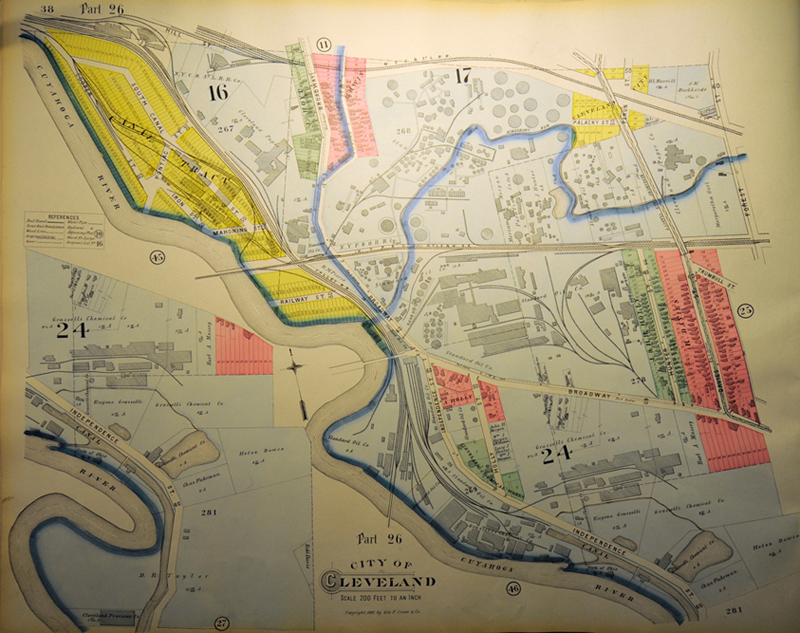
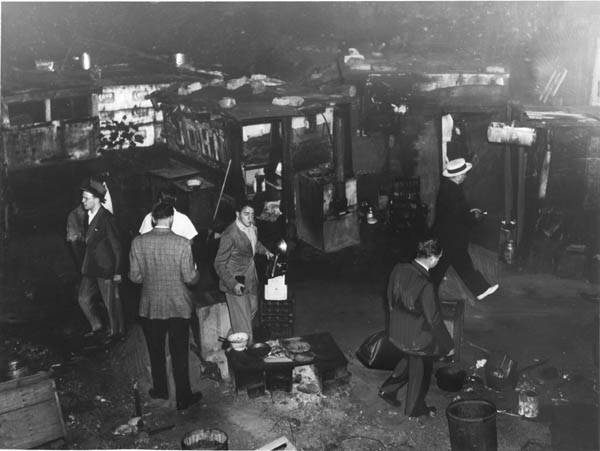
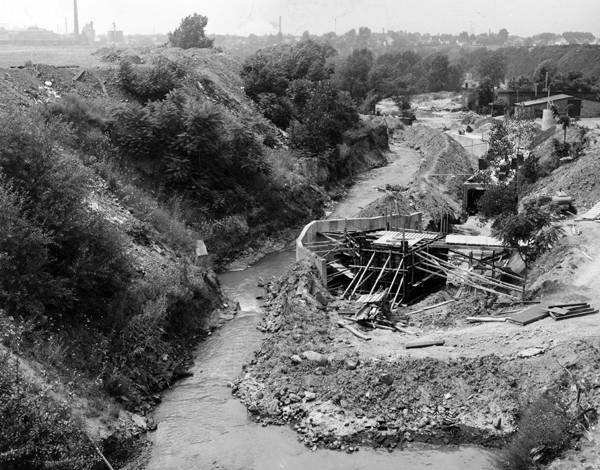
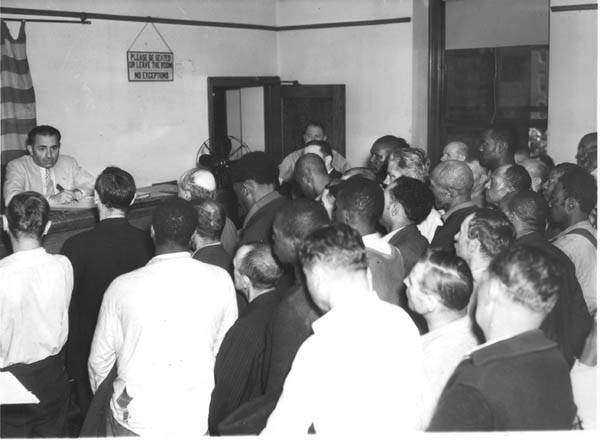
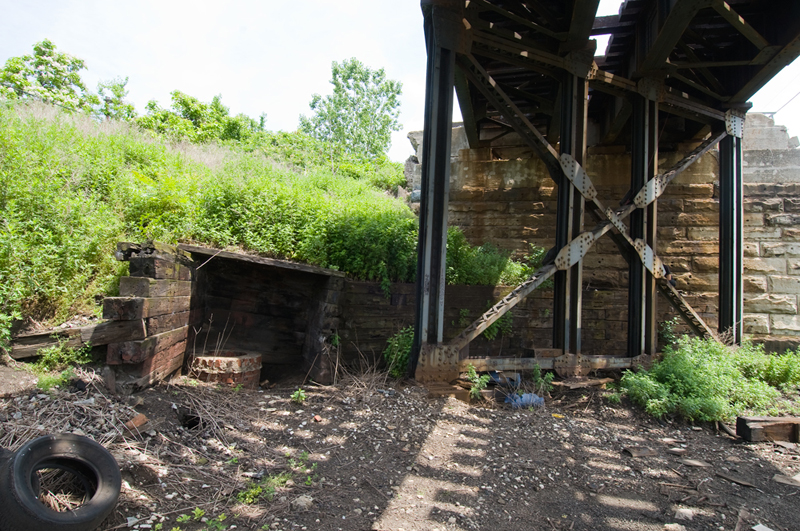
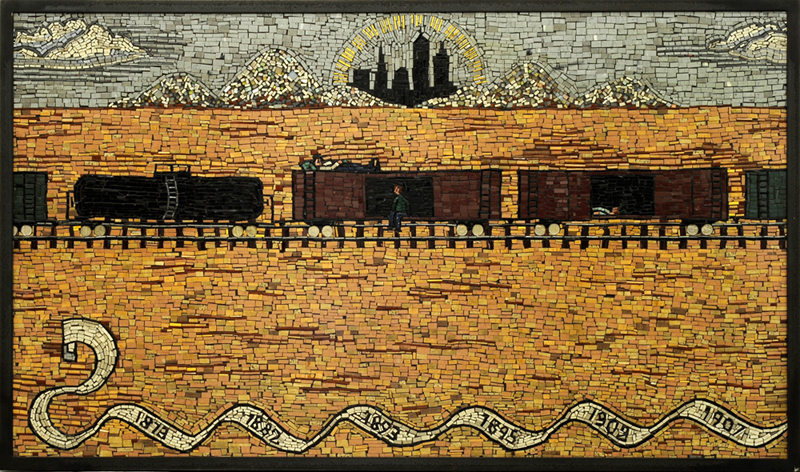
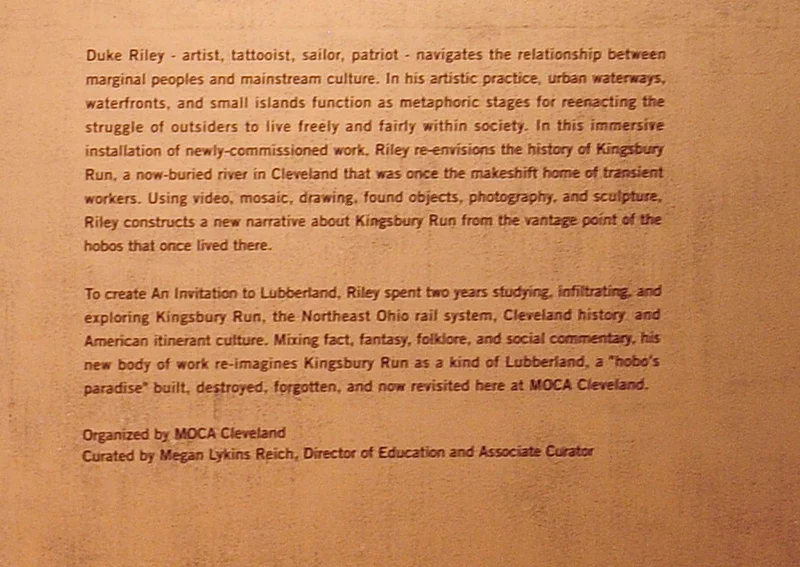
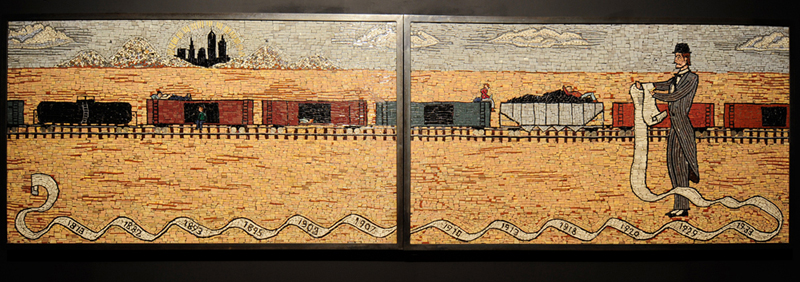
Buried beneath the city of Cleveland is a prehistoric river known as Kingsbury Run. Before it was rerouted underground, itinerant workers made their home along its banks. During the depression of the 1890s, a “tramp census” conducted by John McCook indicated 6% of the population of the United States were itinerant. At that time Cleveland was regarded as a “hobo’s paradise” because of the gracious handouts itinerants would receive, and lenient treatment by the city’s police.
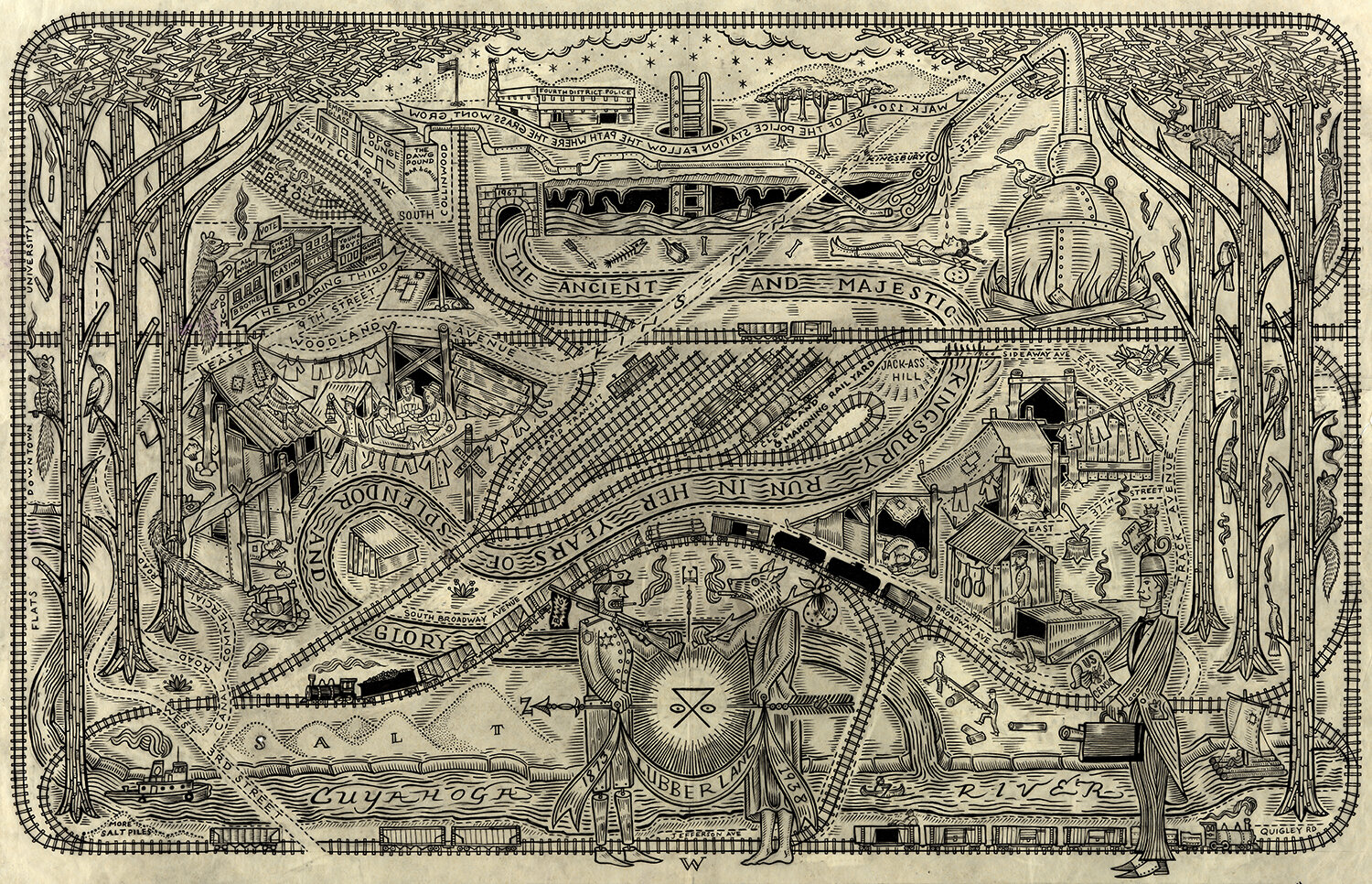
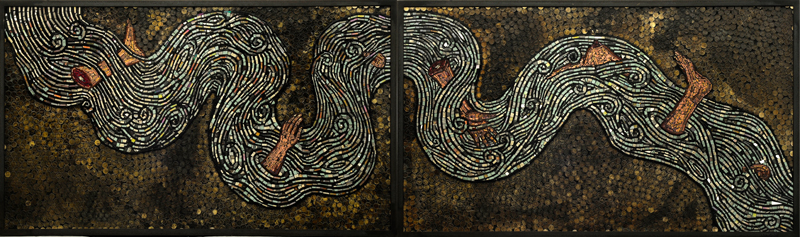
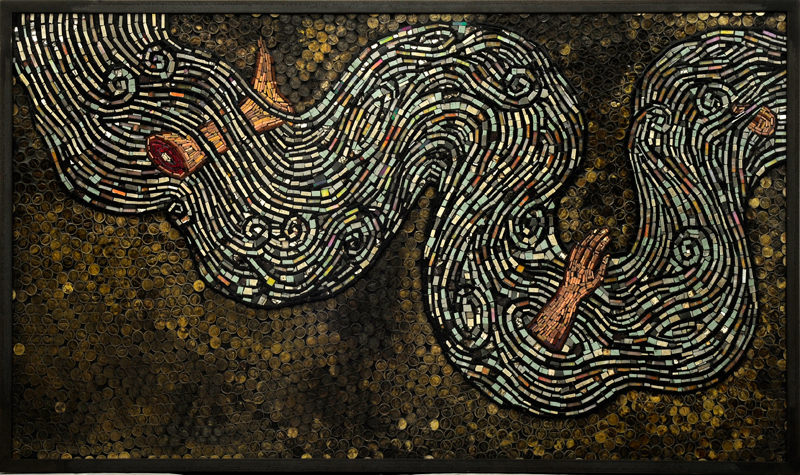
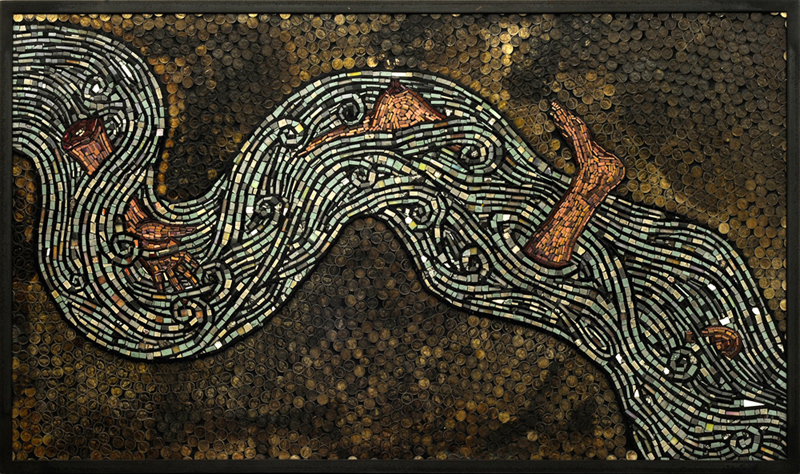
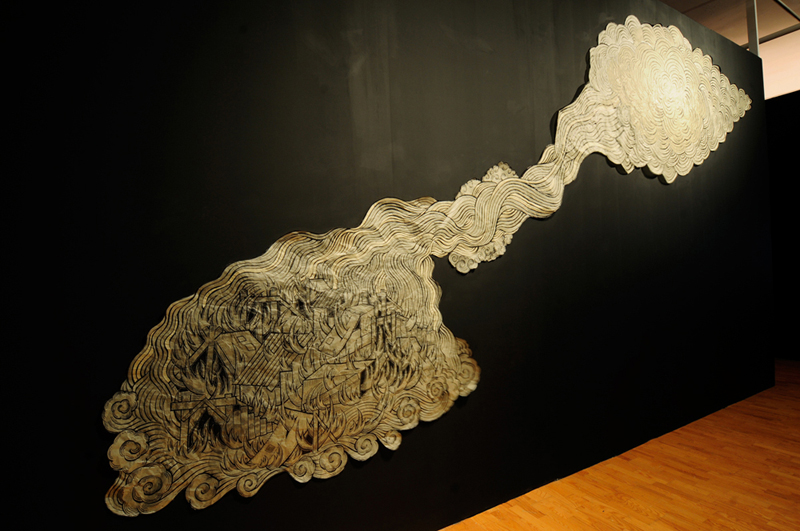
Map of the Kingsbury Run In Her Years of Splendor and Glory, 2010
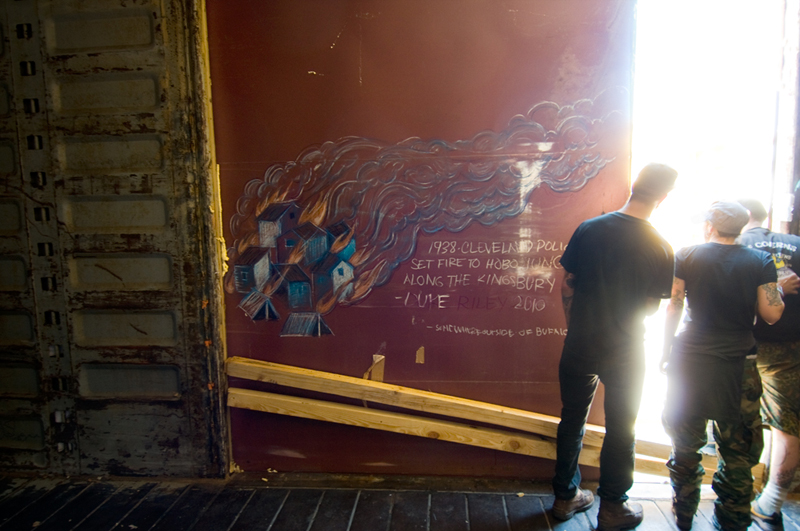
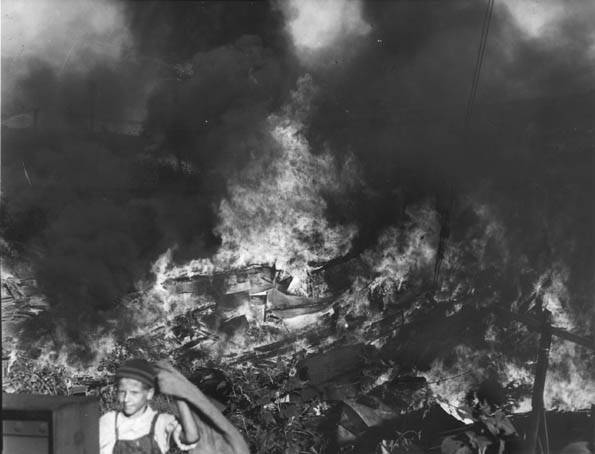
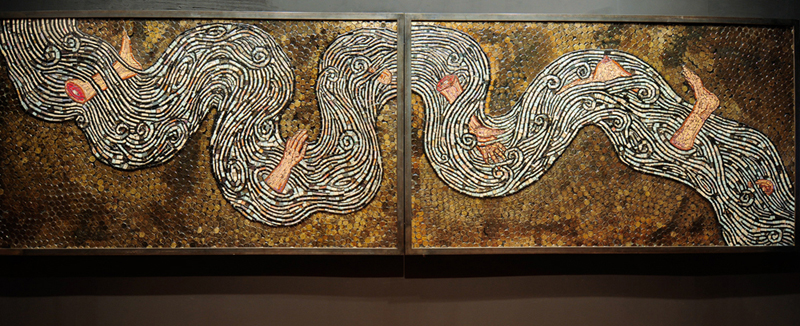
During the Great Depression of the 1930s the itinerant population swelled to 30%, and the Kingsbury Run grew into a sprawling shantytown. However, a series of gruesome murders occurred along the Run, targeting the hobos. As a band-aid solution to stop the serial killings, the police department arrested and displaced the population, burning the neighborhood to the ground.

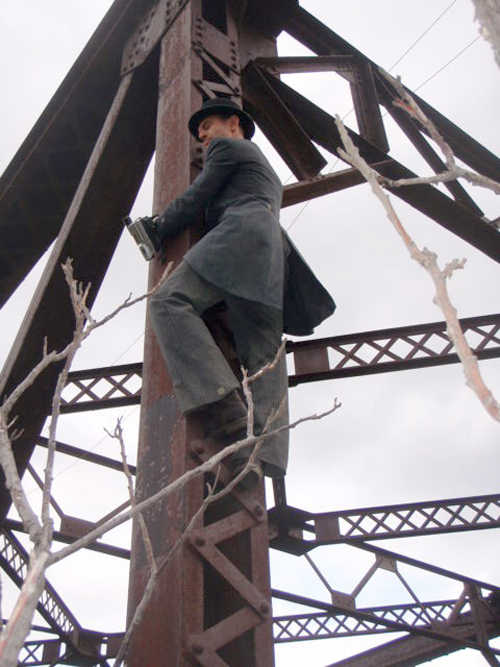
Lara Allen performs at the opening to MOCA Cleveland's Fall 2010 Exhibition on September 10, 2010.
Today, itinerant cultures both nationally and globally are being marginalized to the brink of extinction. The hobo census, a once a respected barometer for the American economy, is now obsolete.
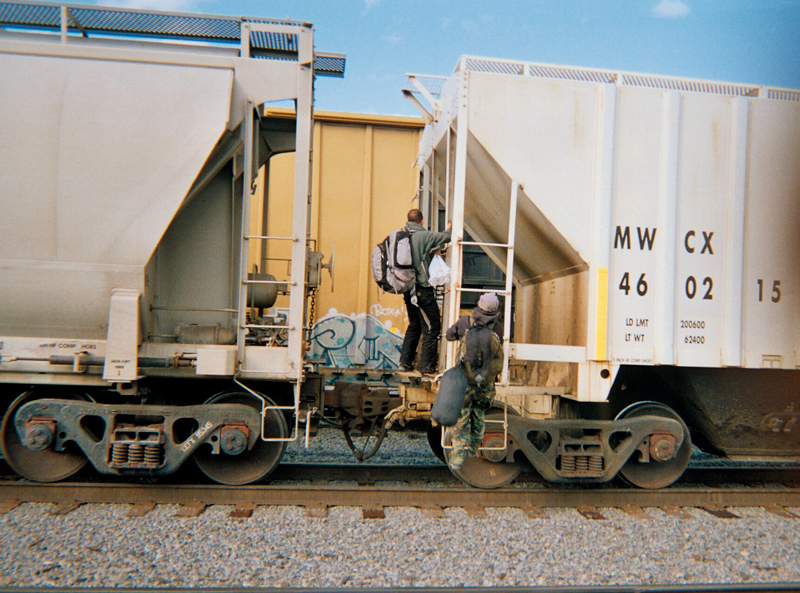
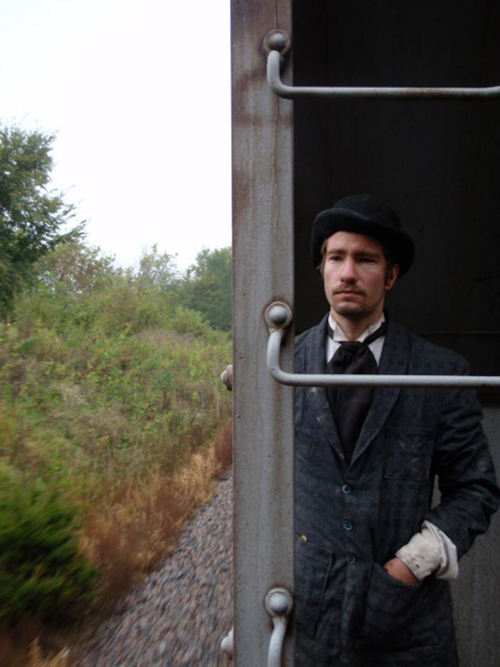
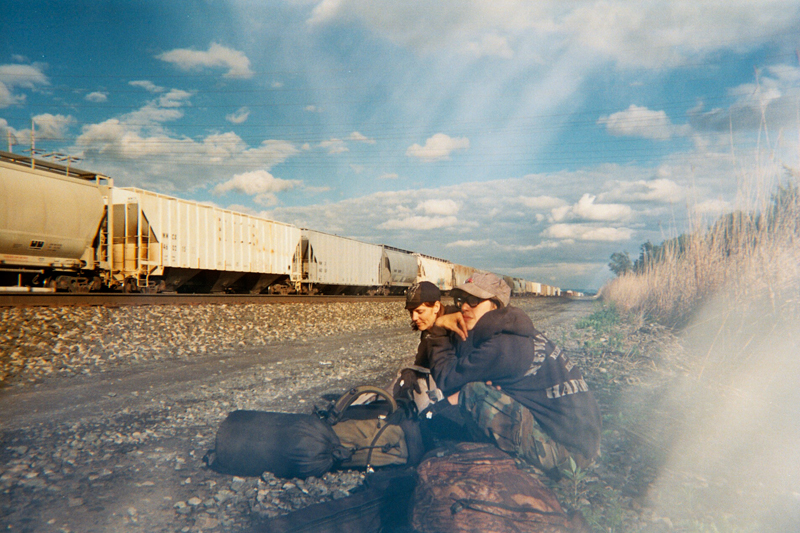
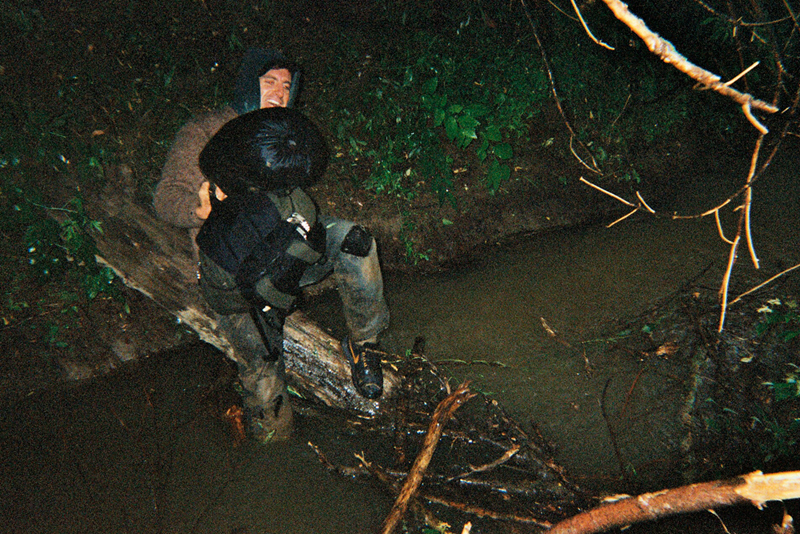
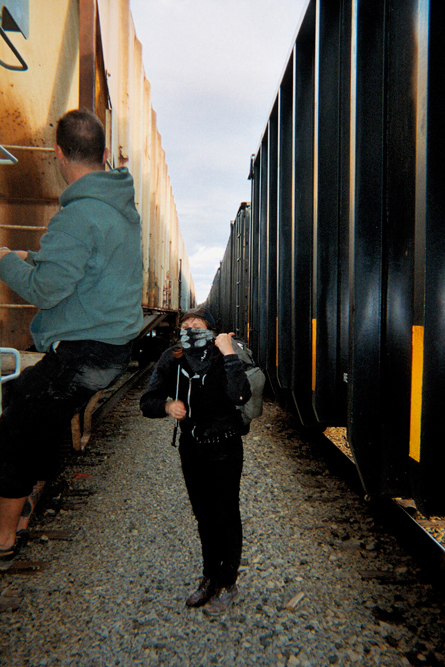
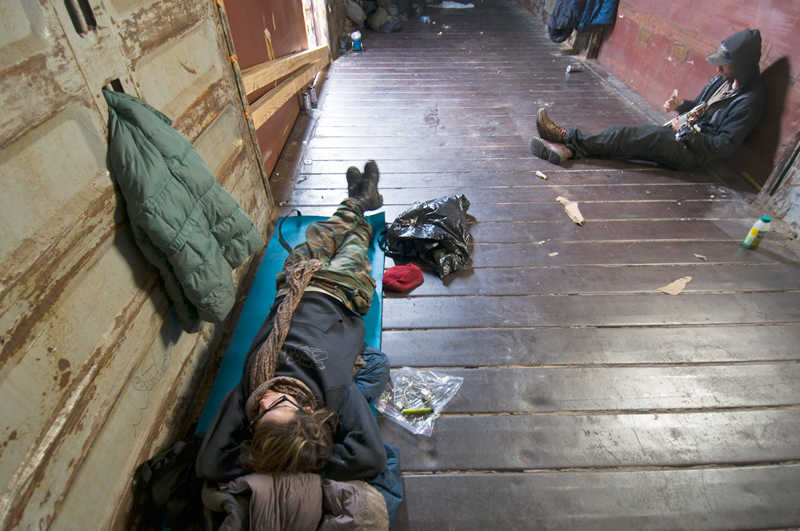
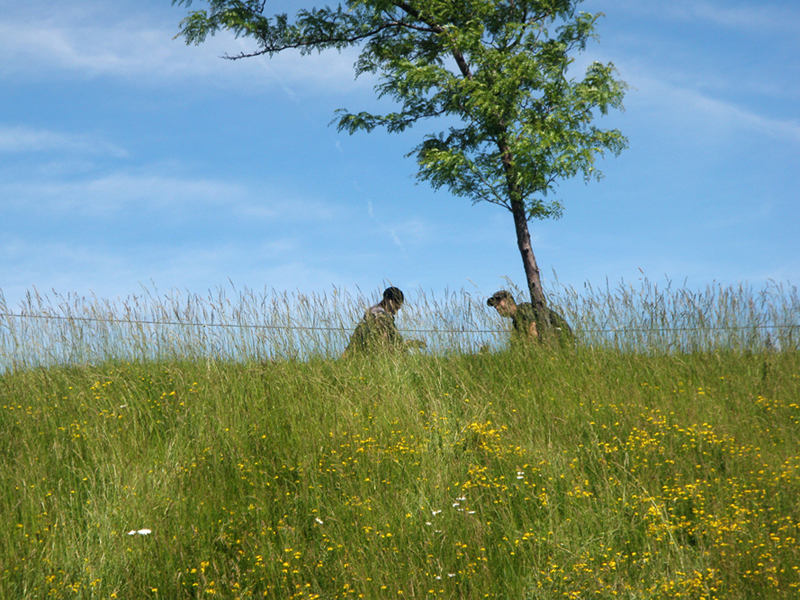
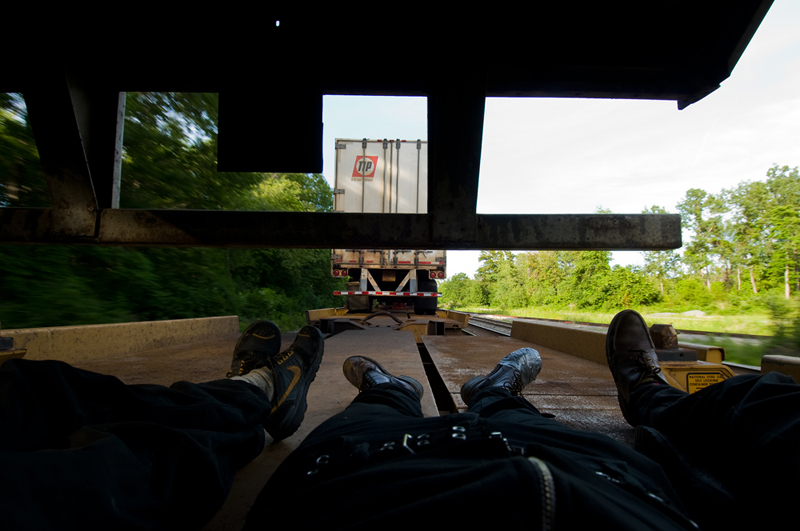
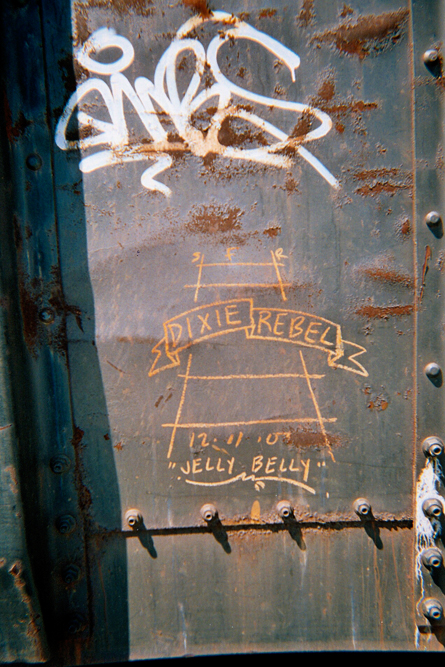
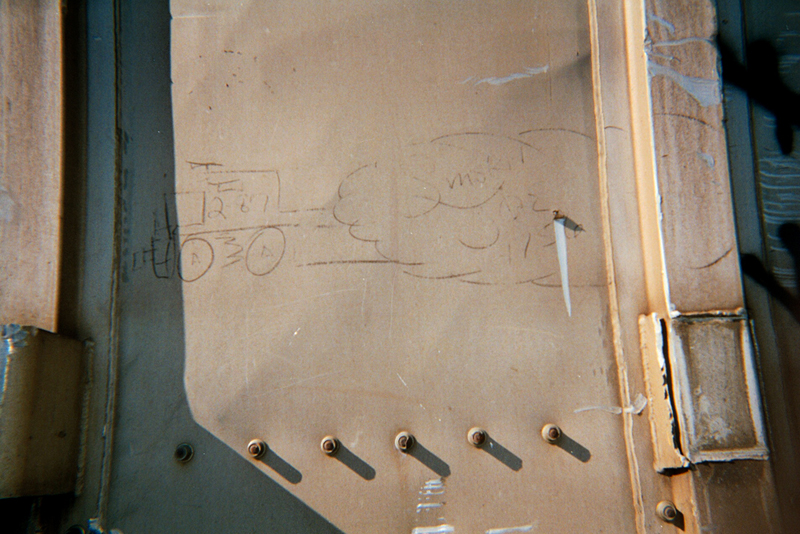
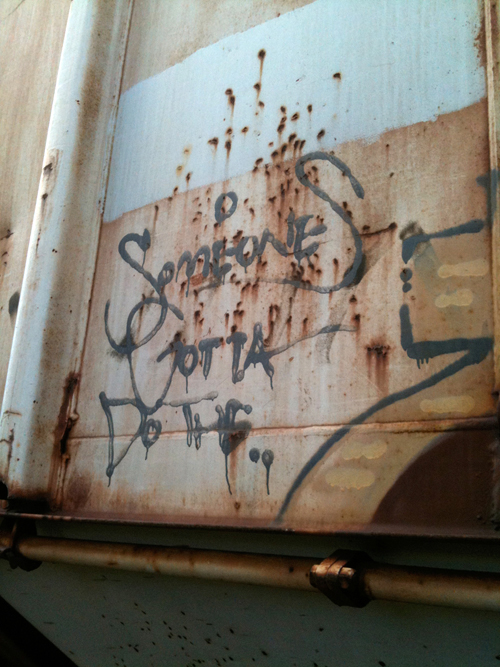
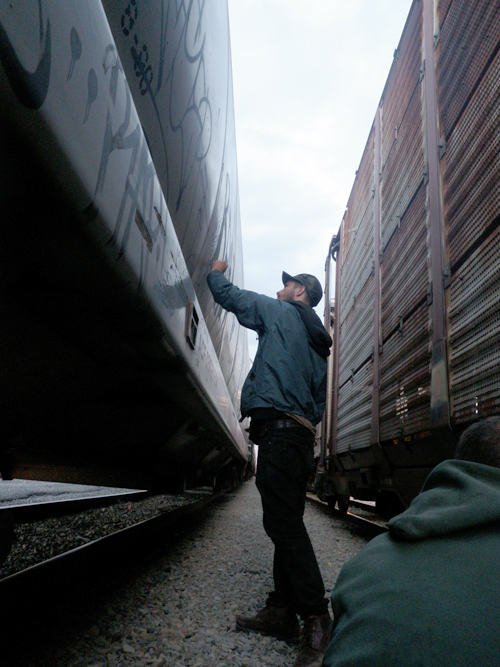
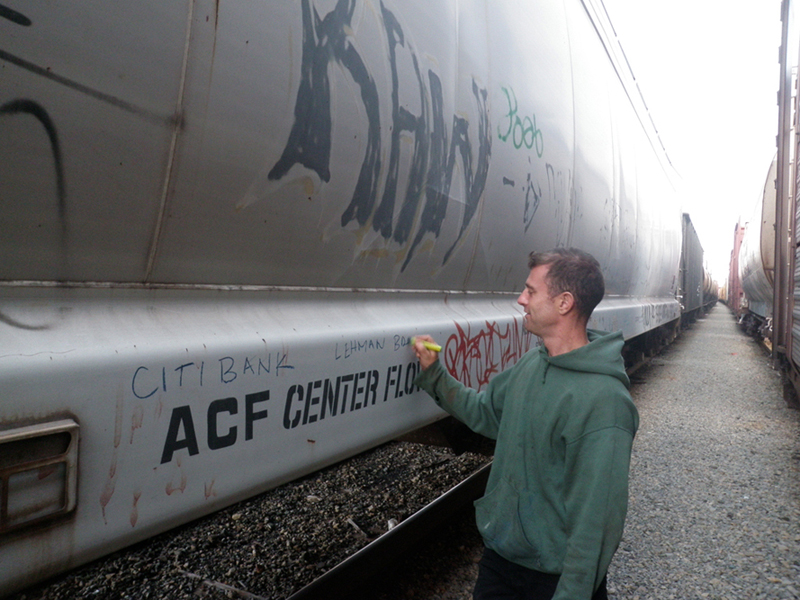
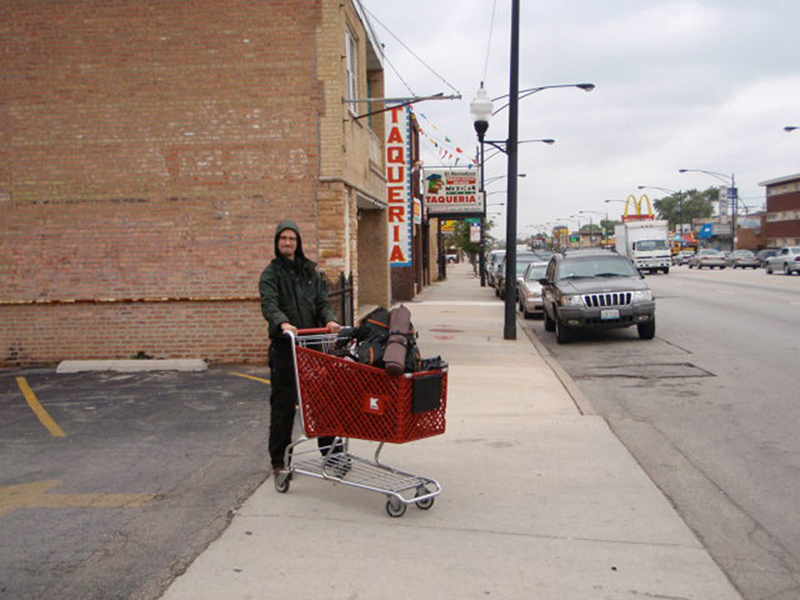
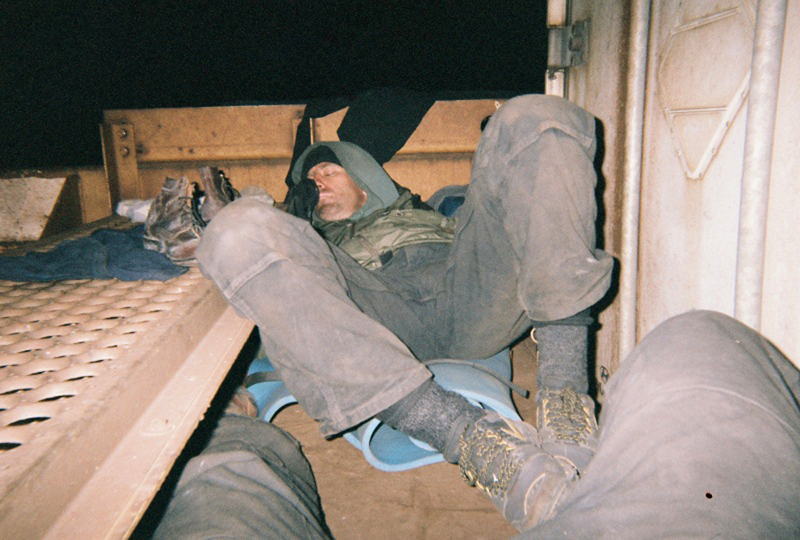
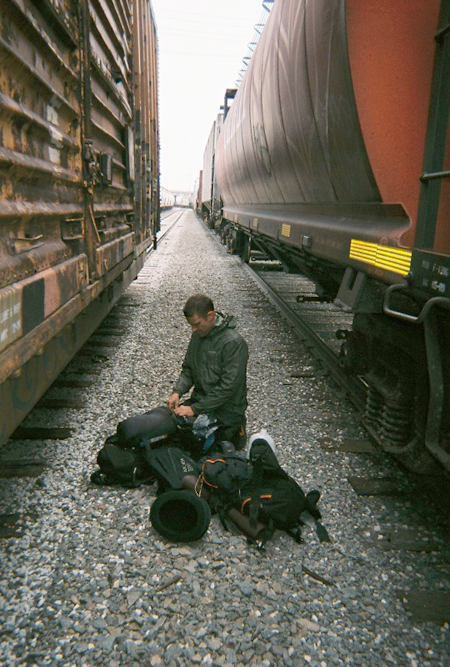
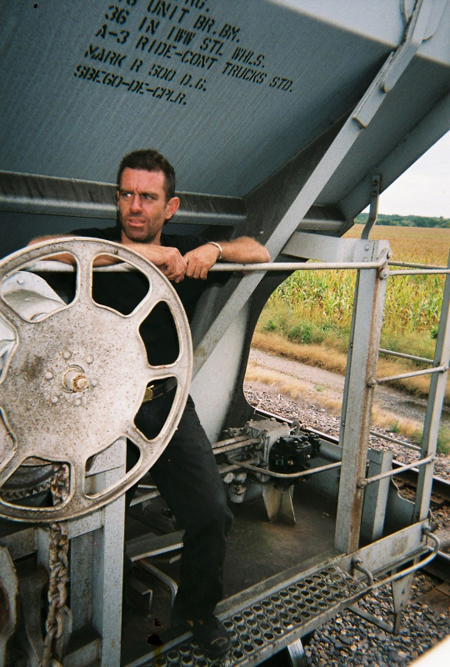
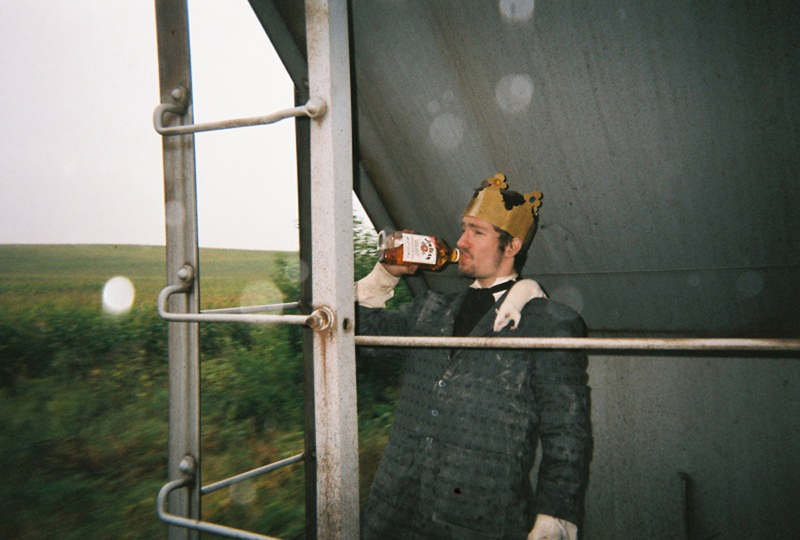
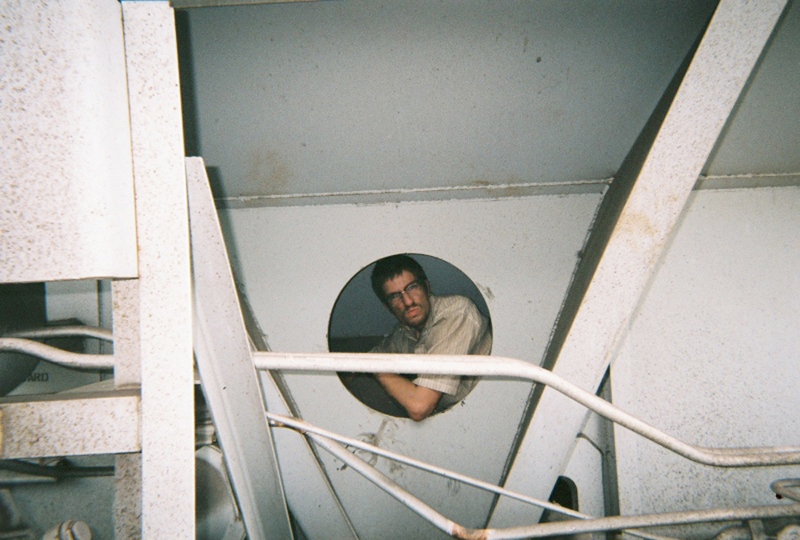
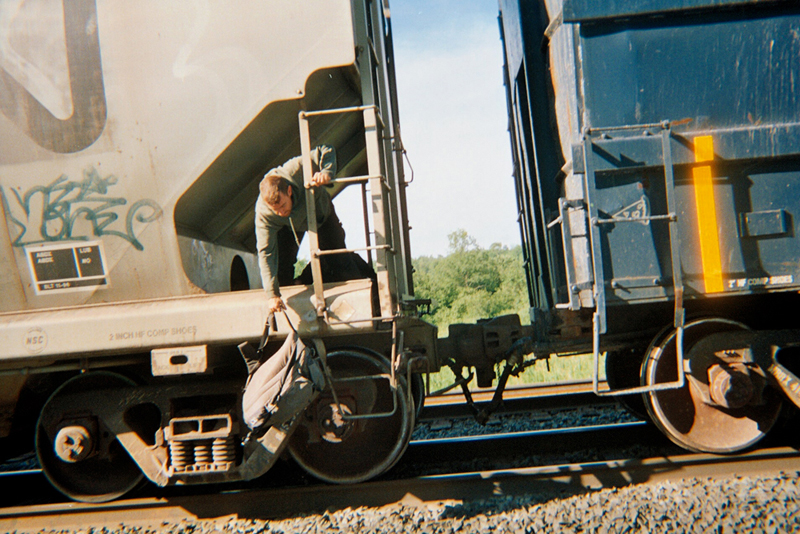
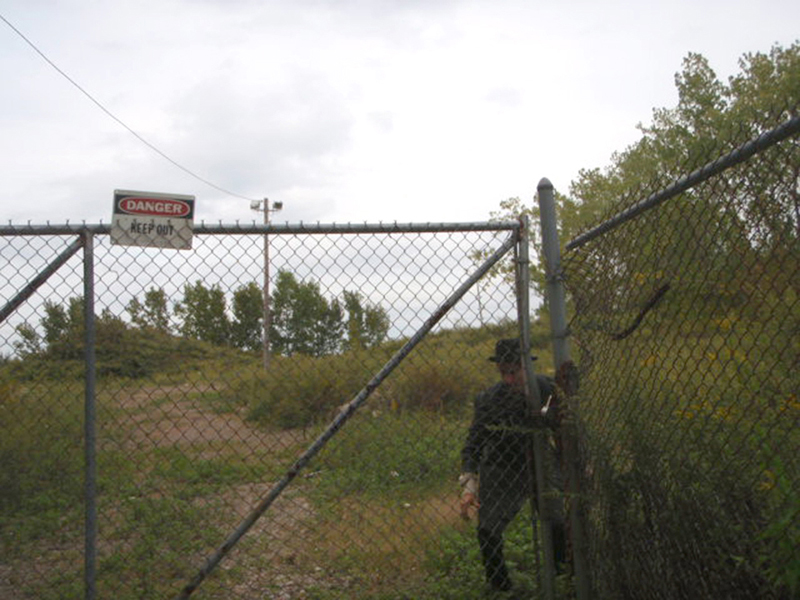
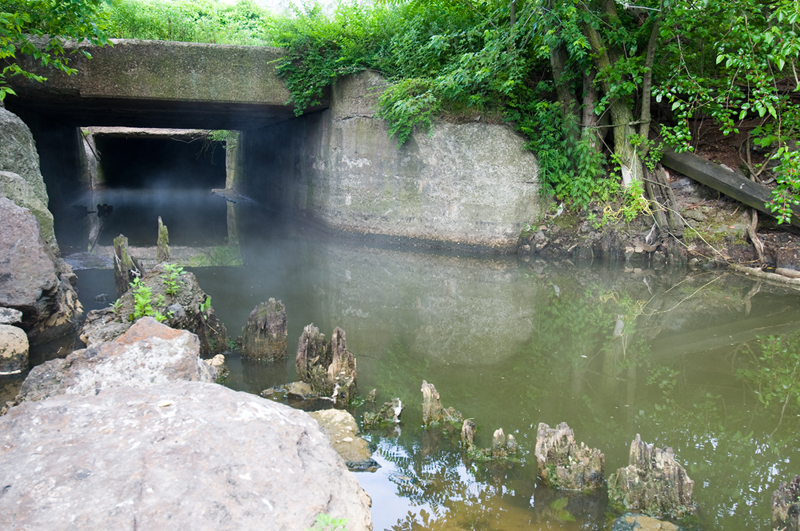
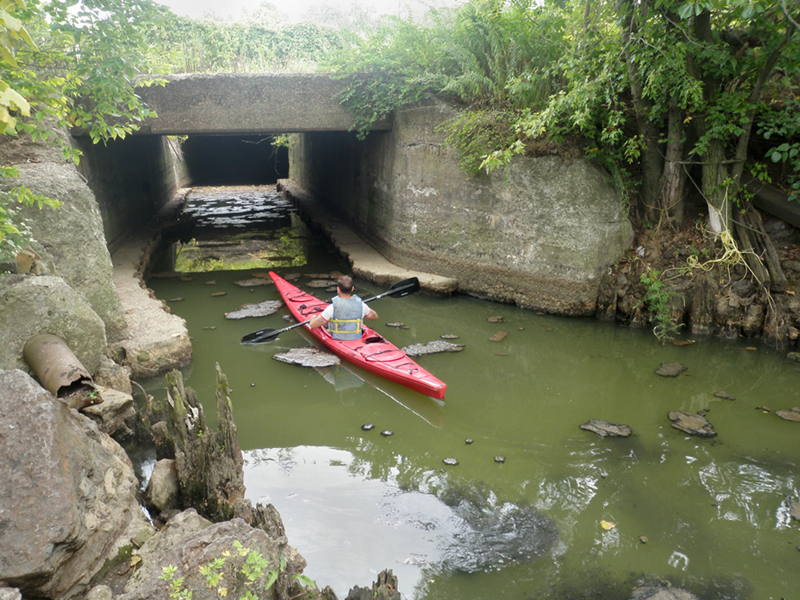
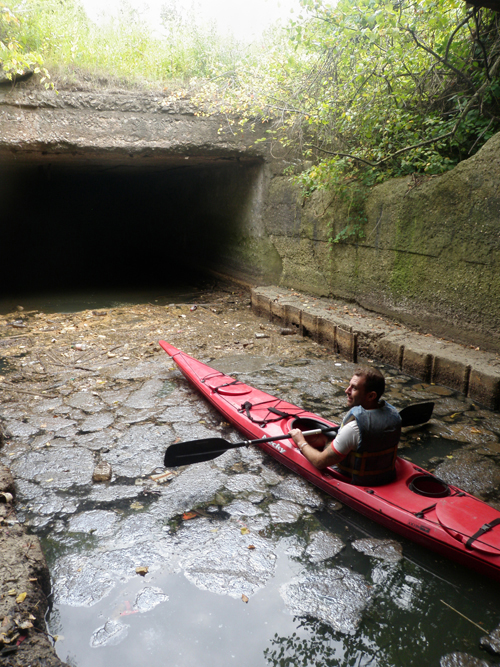
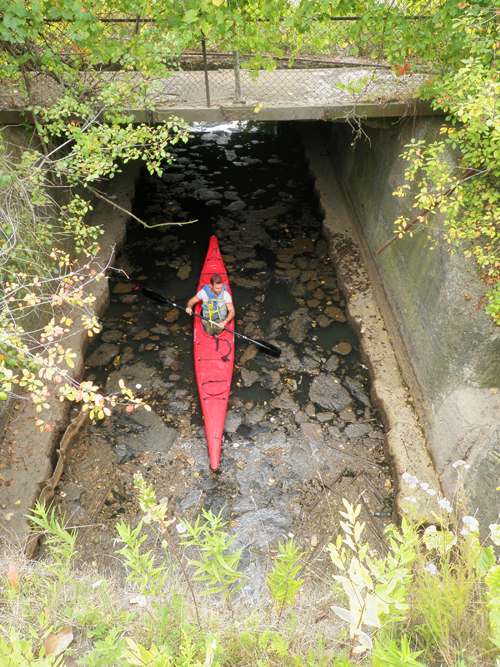
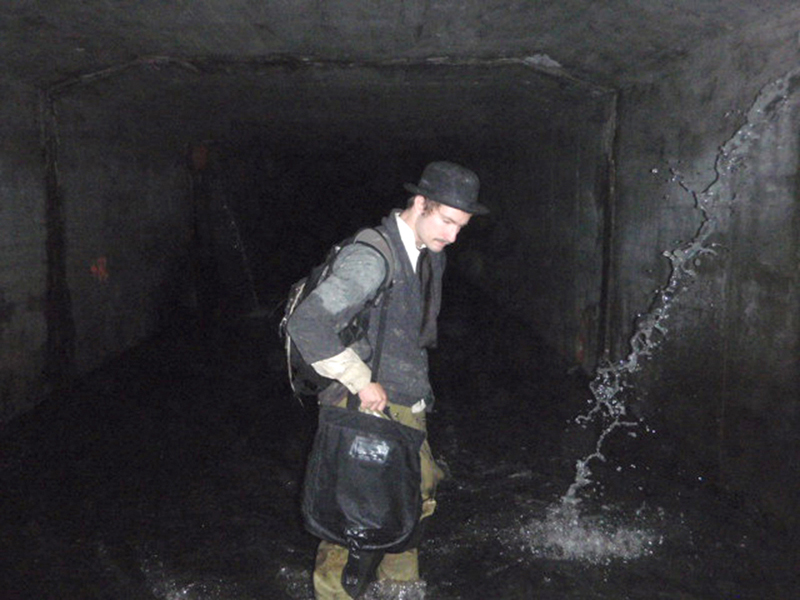
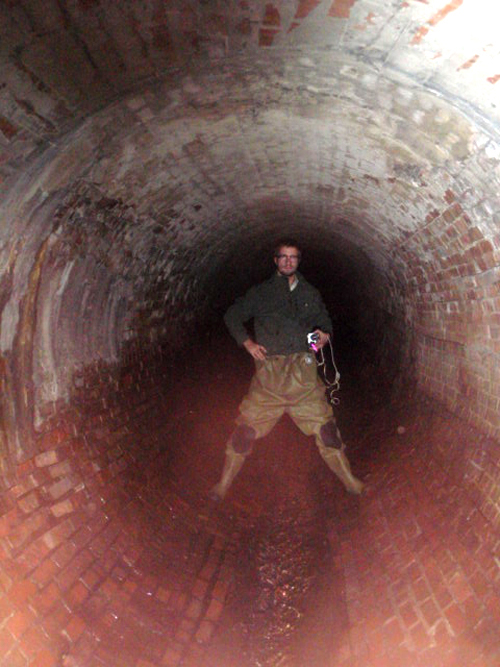
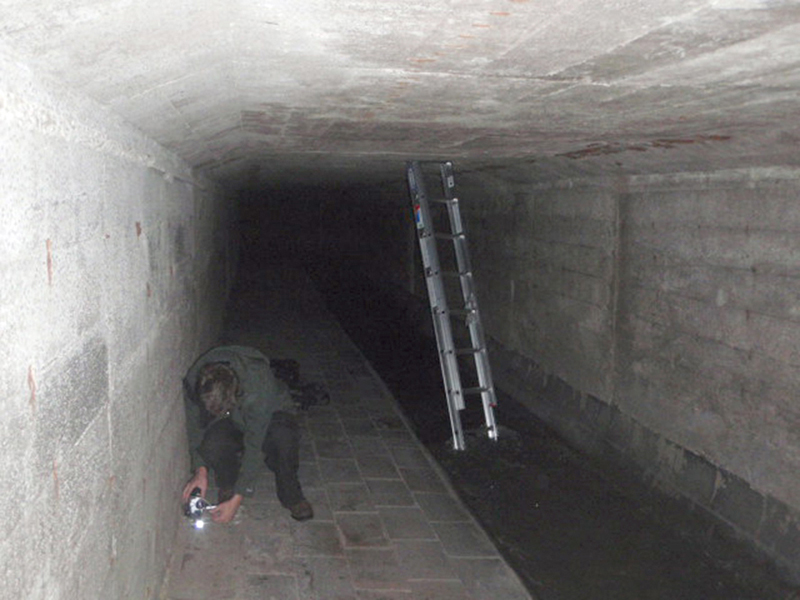
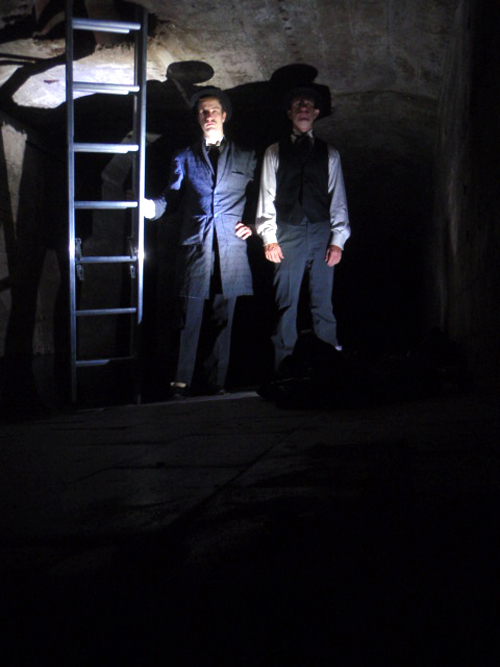
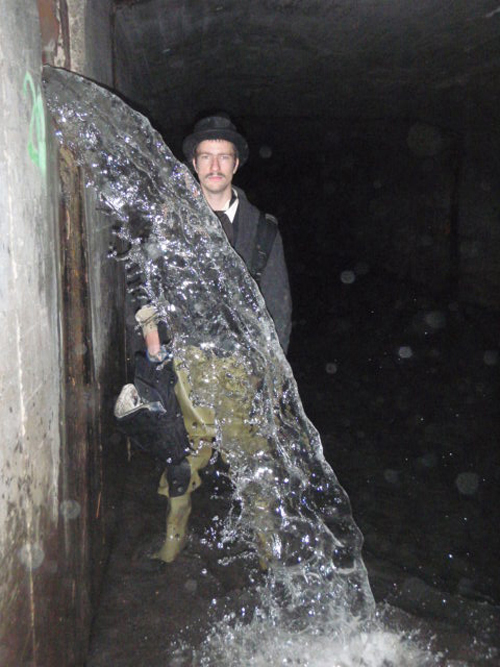
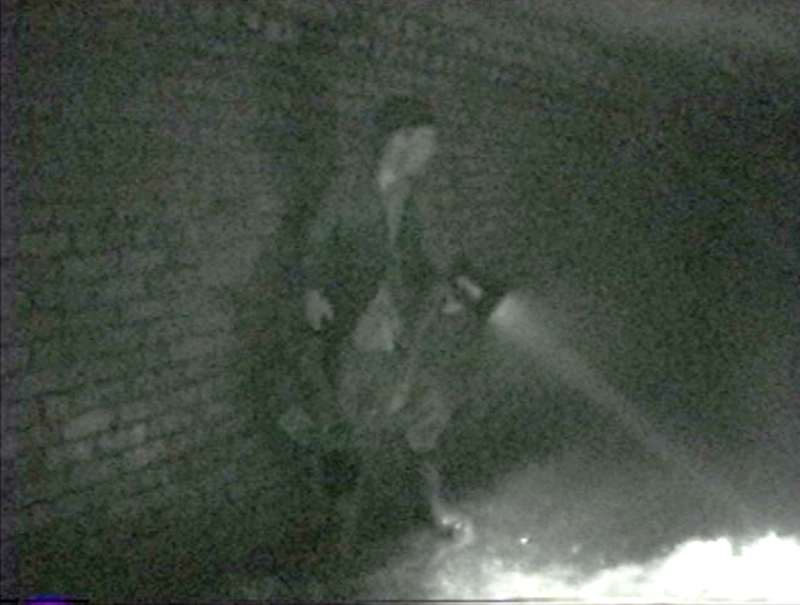
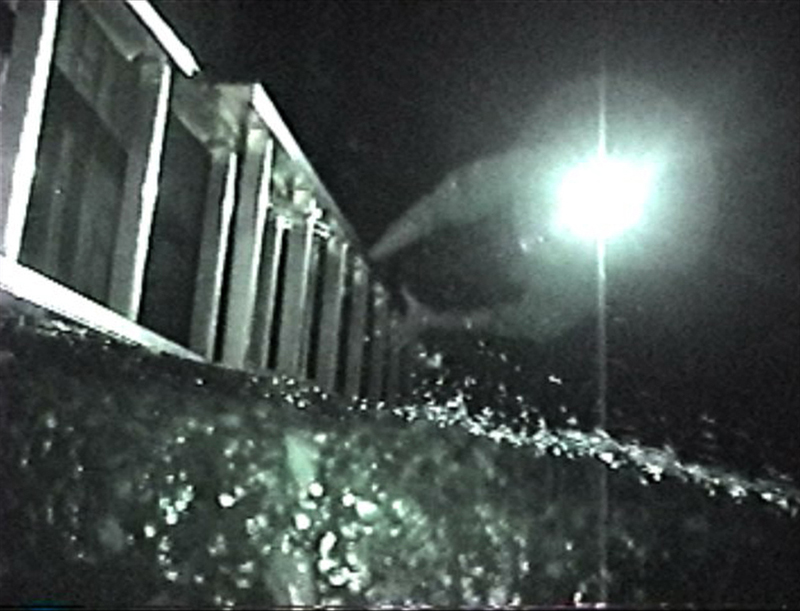
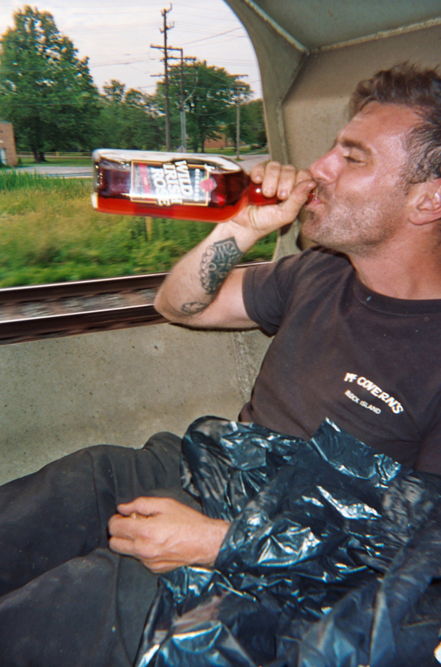
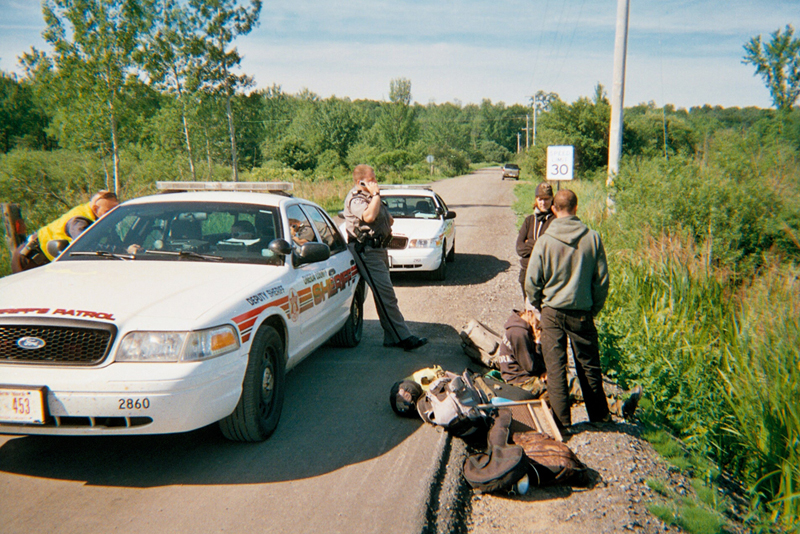
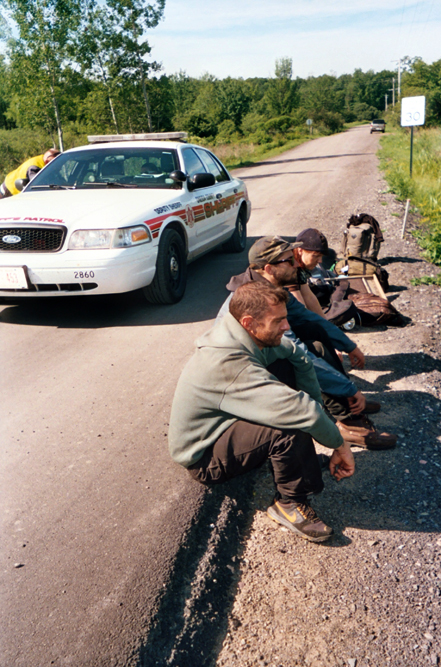
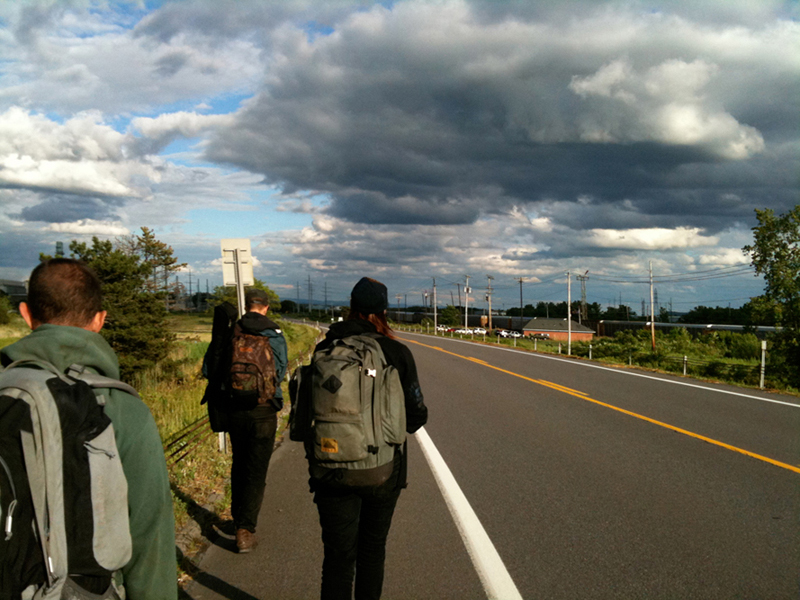
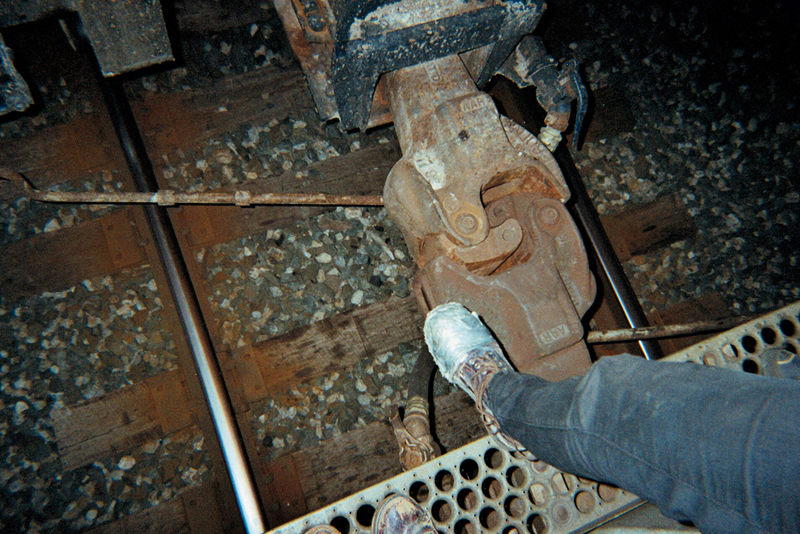
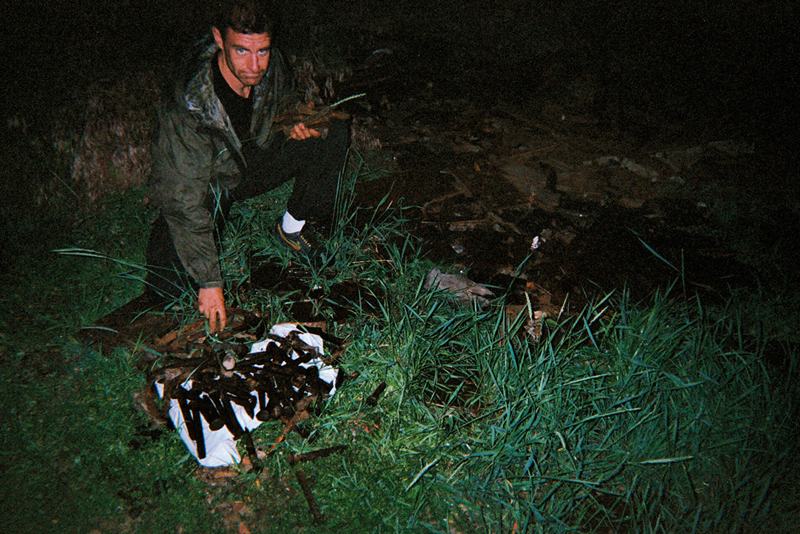
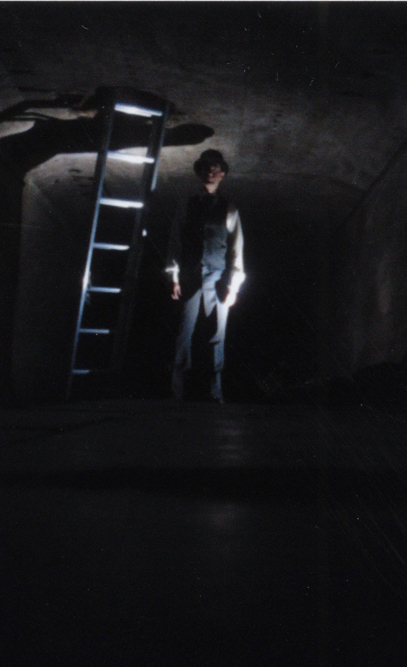
Motivated by our current economic climate, I traveled the country by freight train, attempting to re-conduct McCook’s census, ultimately returning to Cleveland. By infiltrating the sewer system, I regained access to the forgotten Kingsbury Run. In search of the lost “hobo’s paradise” I followed the Run, beneath the streets of Cleveland, to its headwater.
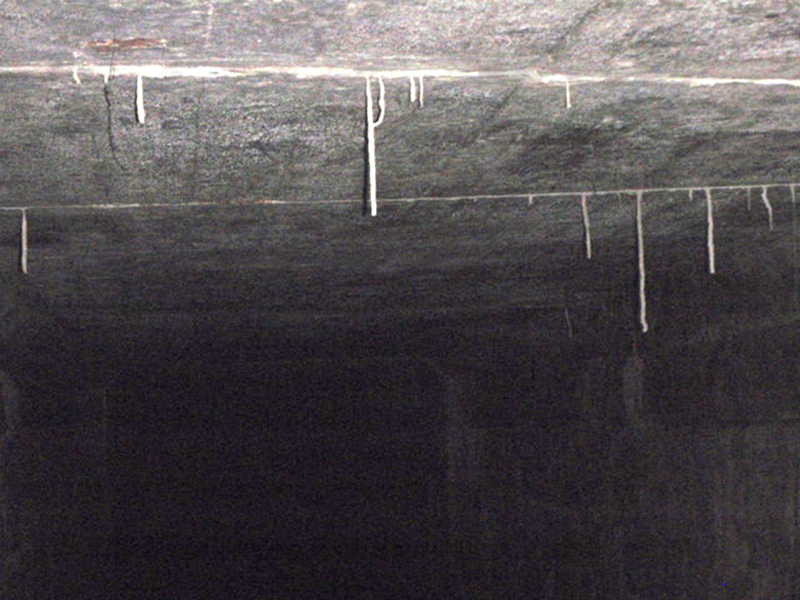
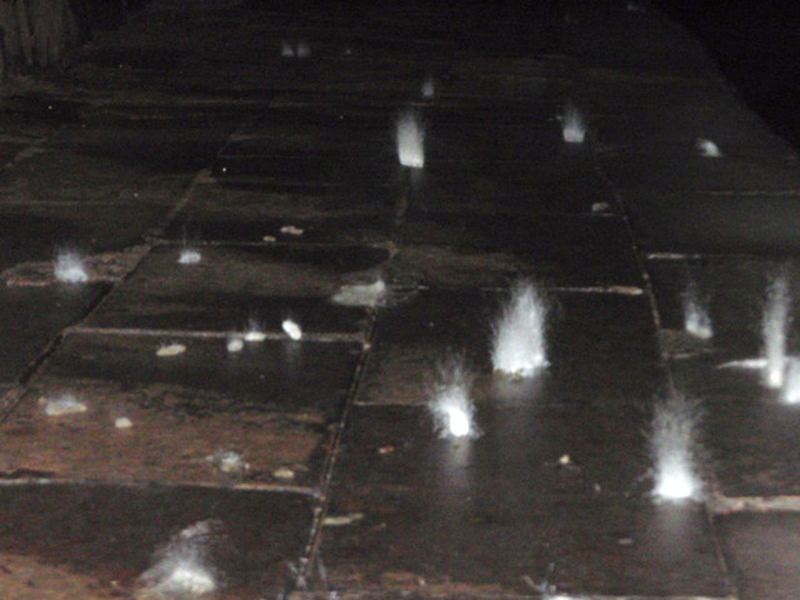
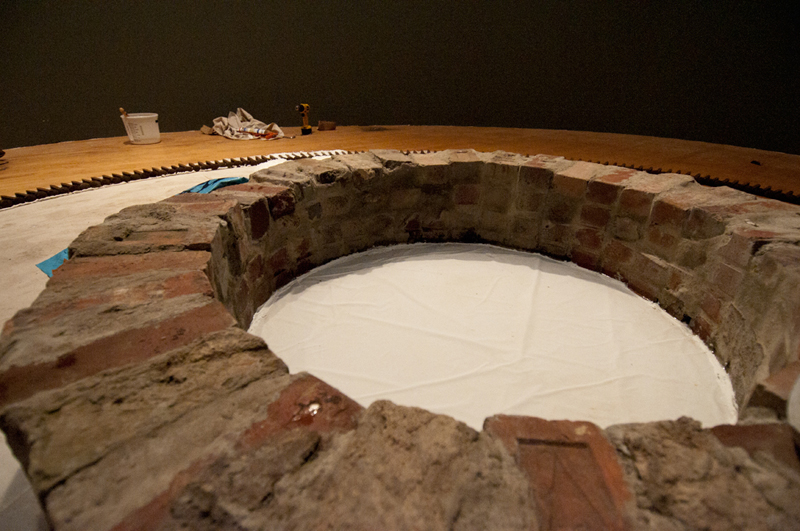
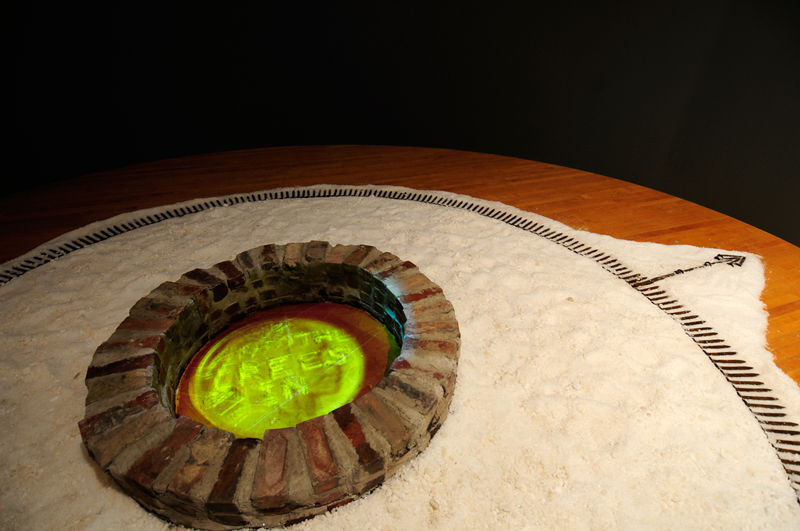
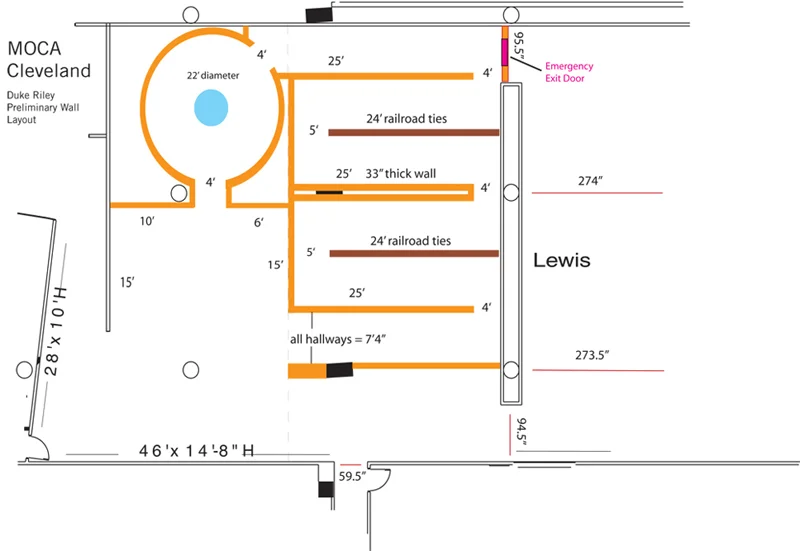
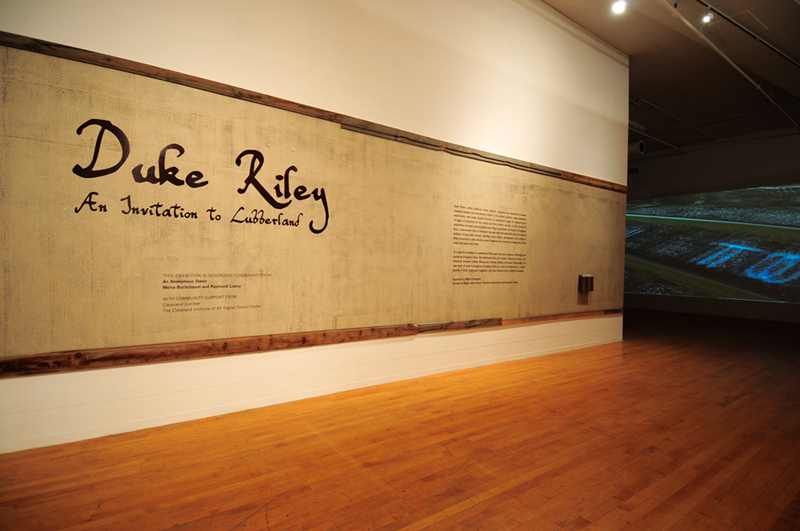
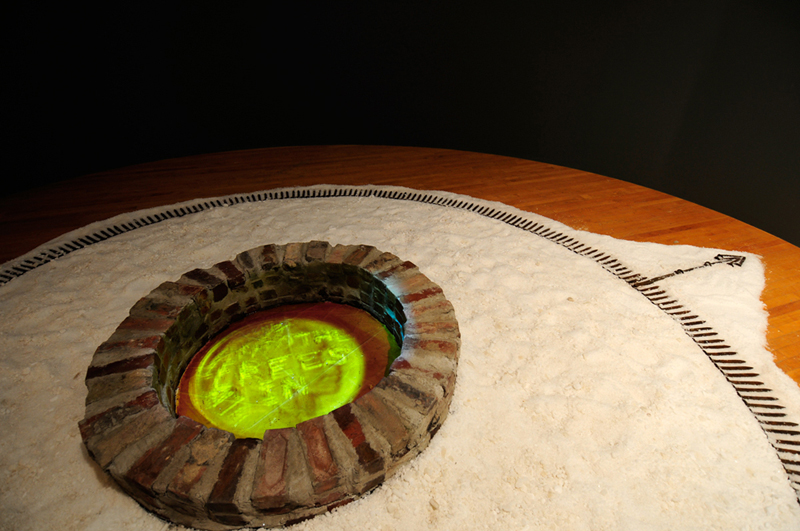
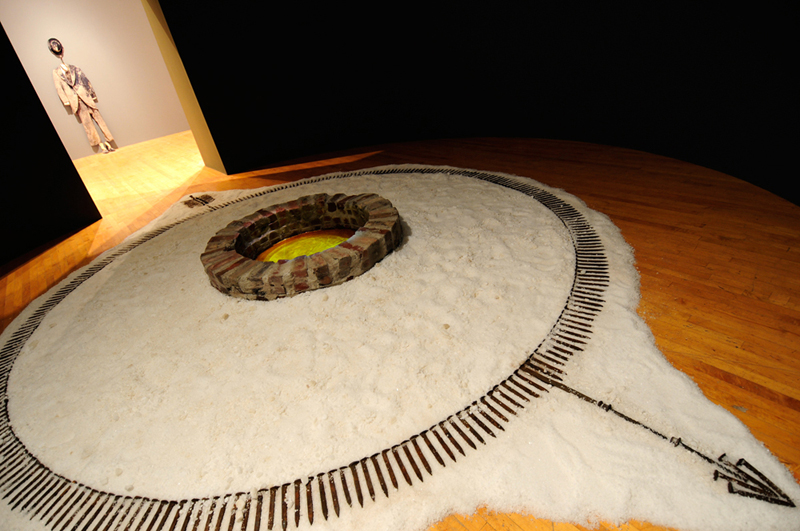
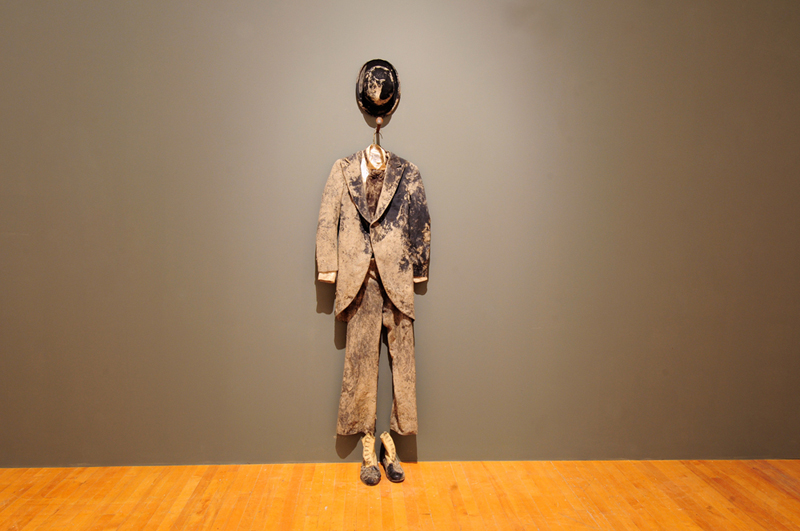
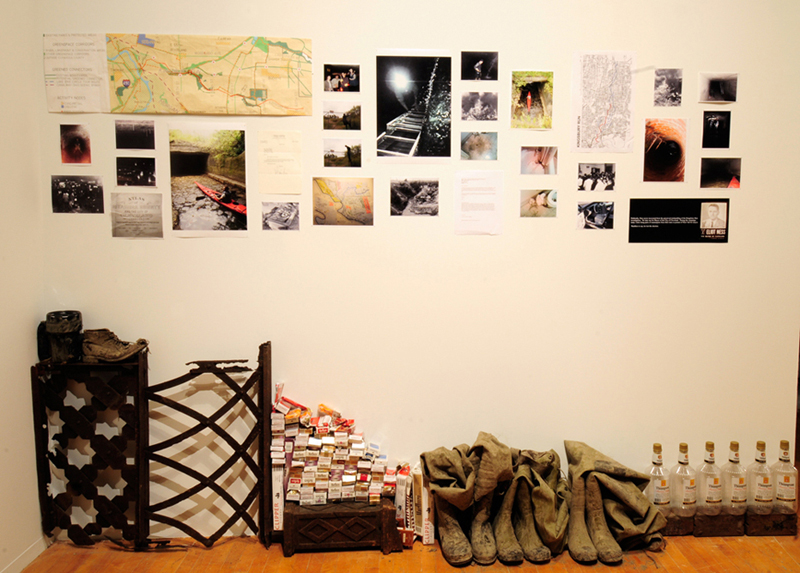
An Invitation to Lubberland (Installation View), MOCA Cleveland, 2010
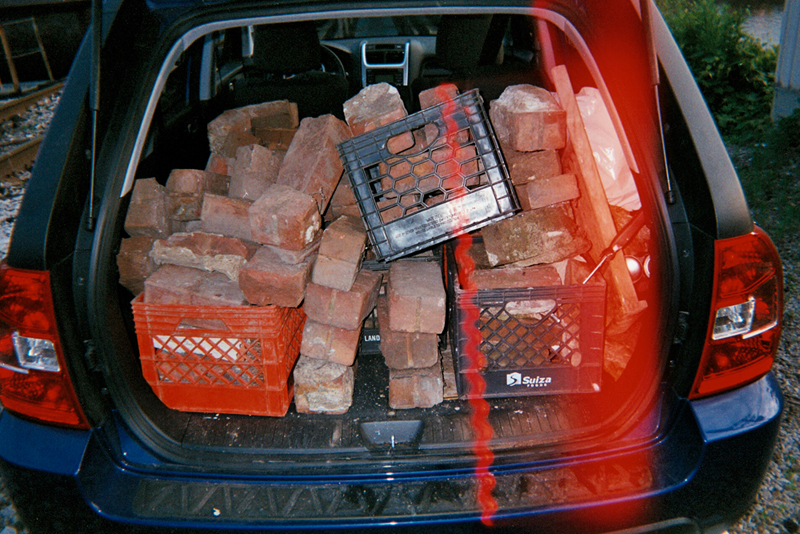
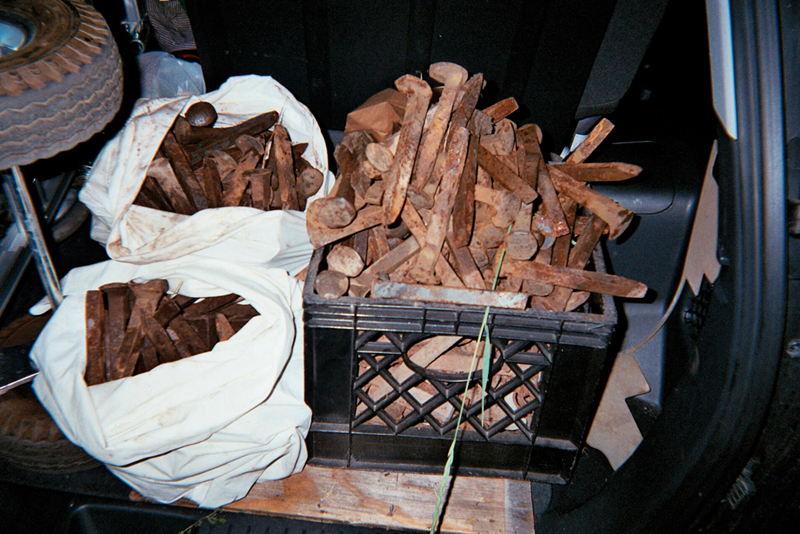
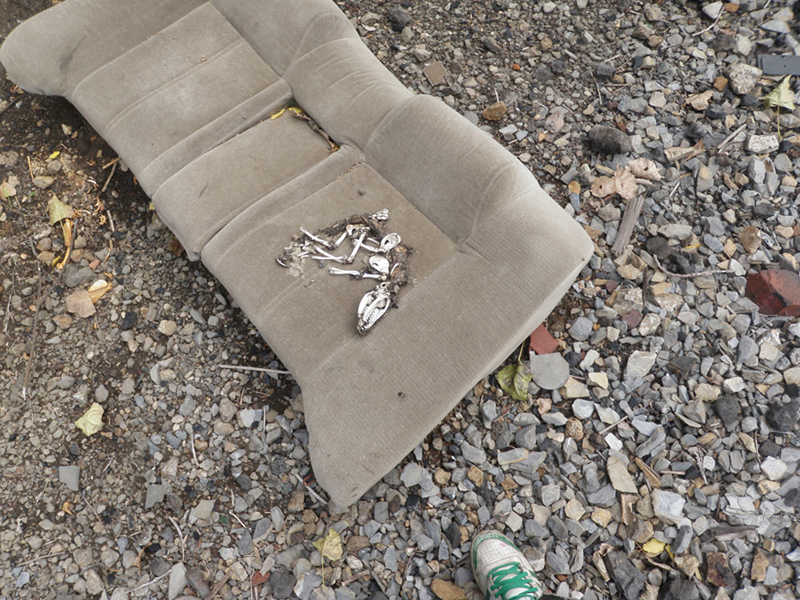
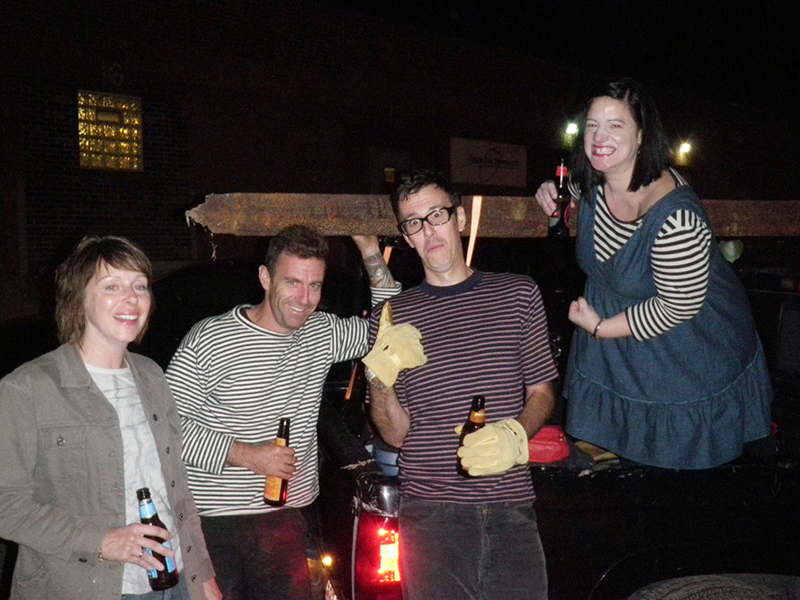
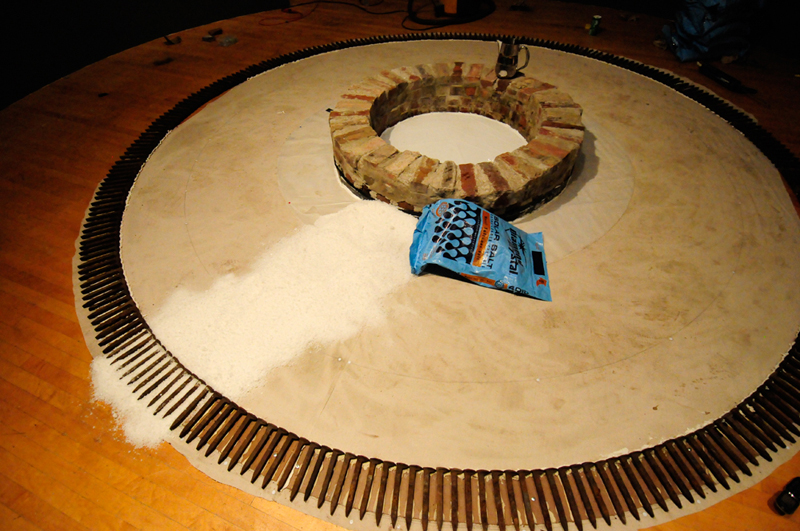
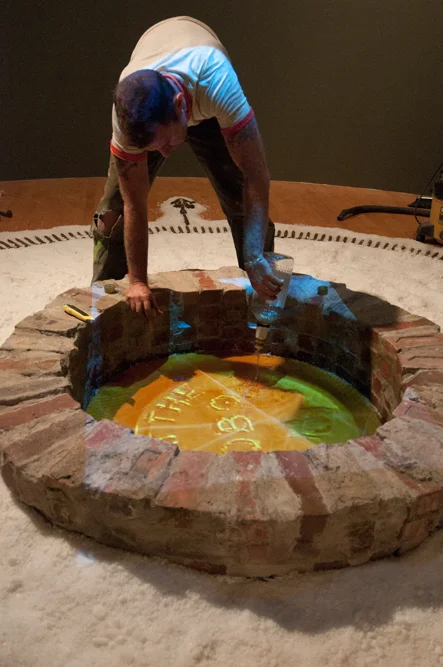
Process view, Duke Riley 2010
Installation Views
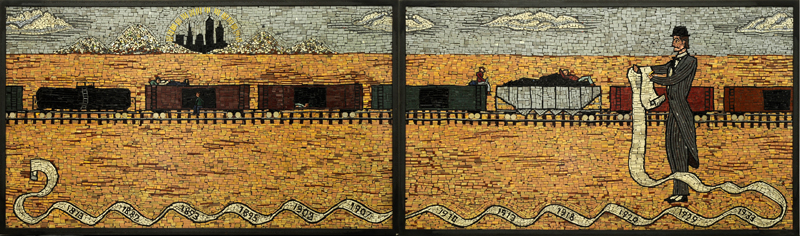
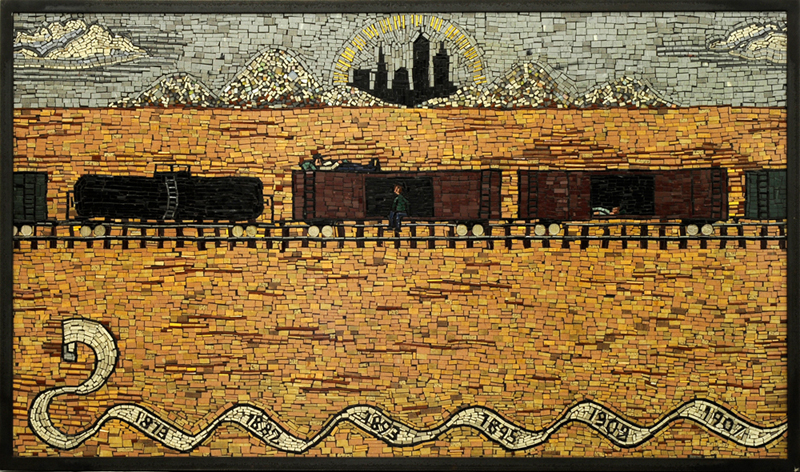
























Process Views